



Your Guide to Steeplechase of Charleston 2025 |The Insider Scoop & Pro-Tips
Charleston’s most anticipated fall tradition returns to Stono Ferry Racetrack on Sunday, November 9. Seasoned attendees have learned the secrets to making the most of this special day.

Steeplechase of Charleston, November 12, 2023. Photos by John A. Carlos II
The Early Bird Gets the Best Day
Here’s the number one tip from experienced attendees: ARRIVE EARLY! Beyond avoiding the traffic nightmare that builds up later, arriving early provides time to truly enjoy everything this event offers instead of rushing from one thing to the next. Gates open at 8:00 a.m.
Having plenty of time to set up a tailgate spot without feeling rushed, then taking a leisurely stroll to see what’s happening around the venue makes all the difference. The morning has a relaxed energy that completely changes once the crowds arrive.
The Merchant Market: Your First Stop
With 40+ artisans and local businesses, the Merchant Market is where visitors find those perfect pieces that make steeplechase style legendary. Custom hats, bow ties, jewelry, leather goods, and local art—basically everything needed to look the part and take home a piece of Charleston.
Pro Tip: Shop early for the best selection and experience. There’s a lot to see, and arriving when it’s busy doesn’t give enough time to check out all the special merchants. The local food trucks also start serving early, so visitors can grab something delicious while they browse.
Don’t Miss the Corgi Cup (Seriously!)

The Corgi Cup races, presented by Peper Law Firm, begin in the morning and are pure joy—watching these short-legged furry friends race through the tall grass brings smiles to faces of all ages. Here’s what many people don’t know: there are actually three heats, and two of them happen earlier in the day. Early arrivals catch all the corgi action instead of just the final heat.
For the best viewing experience, line up early on the rails by the finish line. Watching dozens of corgis race across the track is often the highlight that people talk about!
Music Sets the Mood
Stage music starts at 10:00 AM and continues throughout the day, creating a fun energy that builds as race time approaches. Popular Charleston band Greg Keys and Friends will take the stage, making the entire day even more special. The music between races keeps the momentum going and adds to that festival atmosphere that makes steeplechase unique.
The Paddock: Where the Real Action Happens
One of the favorite insider spots is the paddock area, sponsored by Huntington Bank, where spectators can get up close with the horses and jockeys before each race. This is where the horses warm up, jockeys prepare, and spectators get a real sense of the athleticism involved in steeplechase racing. The energy here is completely different from the grandstand—the anticipation and excitement is palpable.
The best time to visit is either in the morning or about 30 minutes before each race when the horses parade around the paddock before heading to the track.
The Main Event: Five Races Worth Over $100,000
 While all the festivities are fantastic, the heart of the day is the steeplechase racing itself. Five races make up the card, with a total purse (prize money) of over $100,000 at stake. These aren’t just casual competitions—they’re serious athletic events featuring some of the nation’s top thoroughbred horses and jockeys.
For those interested in the detailed lineup and race information, programs are available for purchase at the Steeplechase of Charleston tent in the Merchant Market. The program includes valuable information about each race, horses, and jockeys that can help spectators understand the competition.
Dressing the Part (Or Not!)
Half the entertainment at steeplechase is the incredible variety of styles people bring. From stylish fascinators and fall hats to bow ties and boots, the creative interpretations of racing fashion make the crowd as much a show as the horses. While some enjoy dressing up for the occasion, others prefer a more casual approach—both are perfectly welcome as part of the steeplechase experience.
Don’t miss the stunning artistic centerpiece: a life-sized horse covered in over 50,000 hand-applied feathers, created by artist Kris Manning. This striking focal point has become the photo opportunity that attendees rave about all year long.
Pro Tip: Wear comfortable shoes as attendees will be walking on grass all day. And if it’s a little boggy, wellies make it even more authentic—steeplechase fans aren’t afraid of a little weather!
Your Ticket Options (Something for Every Budget)
VIP Experience: The Lexus VIP Lounge offers prime viewing with delicious catering from Hamby, open bar and private restroom facilities. Perfect for special occasions or when you want the premium experience. Pro Tip:: Don’t forget to purchase VIP Infield Parking only made available with a Lexus VIP Lounge ticket. Also bring your ID. Every guest is carded at all ages.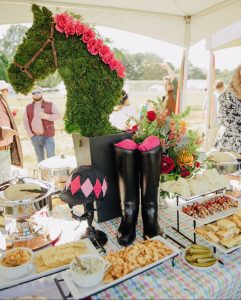
Tailgating: Your reserved spot includes parking and two general admission tickets. This is where the party atmosphere really lives, and additional guests just need general admission tickets to join your crew. Pro Tip: Railside tailgate spots are limited so grab them now!
General Admission: Full access to everything mentioned above—Merchant Market, entertainment, family activities, and all the racing action. Kids 12 and under are free but still need their own tickets, making it perfect for families and budget-conscious groups. Early Bird discounts for General Admission can be found on social media and the newsletter.
Where to Watch Without a Tailgate
Don’t have a tailgate? No problem! Here’s how to make the most of your general admission experience:
Find friends with tailgates – This is honestly the easiest solution. Reach out to anyone who’s attending—tailgate spots are social by nature, and most groups welcome extra company.
Claim your spot at the rails – There are plenty of excellent viewing spots along the track rails where visitors can spread out a blanket and set up their own picnic. Just avoid the areas between tailgate spots and hospitality tents—that’s off-limits for spectators.
Position near a jump – Here’s a favorite viewing secret: find a spot just past one of the jumps. Watching these thoroughbred athletes leap over the fences up close is absolutely breathtaking. Spectators can see the power, grace, and athleticism in a way that’s impossible to appreciate from the grandstand. These are truly beautiful and athletic creatures, and this perspective gives the full experience of steeplechase racing.
Perfect for Families
It’s a full day of entertainment, and kids love the racing action just as much as adults do. They especially go wild for the Corgi Cup races—watching dozens of corgis dash across the track brings pure joy to children (and adults too). The Family Fun Area provides additional activities to keep children engaged throughout the day, ensuring there’s something for everyone to enjoy from morning until the final race.
Food and Drink Options for Every Style
 The beauty of Steeplechase of Charleston is that visitors can tailor their dining experience to match their day. Guests are welcome to bring their own picnic spread—both food and drinks—which is perfect for tailgaters and those who want to create their own perfect meal.
For those who prefer not to carry anything, there are two great options: Lexus VIP Lounge guests enjoy a gorgeous buffet with an open bar as part of their experience, while general admission and tailgate guests can purchase delicious options from local food trucks positioned throughout the venue. The food trucks start serving early in the day, so there’s plenty of time to grab something tasty between shopping and racing.
The Logistics You Need to Know
Remember: there’s one entrance, so early arrival really does matter for traffic. Once tailgaters park, they’re there for the day—no leaving and coming back. Alcohol isn’t sold on-site, so Bring Your Own Beverage for your celebrations.
- Lexus VIP Lounge guests should bring valid ID for entry
- All attendees need tickets ready to be scanned at the gate, including free children’s tickets
- Gates open at 8:00 AM, live entertainment begins at 10:00 AM, and opening ceremonies start at 12:30 PM (times subject to change)
From the morning market browsing to the final race, November 9 offers that perfect blend of sport, style, and Southern hospitality that makes this event a Charleston tradition. Come early, stay late, and soak it all in.
Frequently Asked Questions & Getting Your Tickets
Have a question? Our customer service team is here to help-email us at info@steeplechaseofcharleston.com or visit the FAQ page at steeplechaseofcharleston.com. Tickets are going quickly, and tailgate spots won’t last long! Secure yours today to ensure your Steeplechase Race Day is exactly how you’ve imagined.